
Introduction
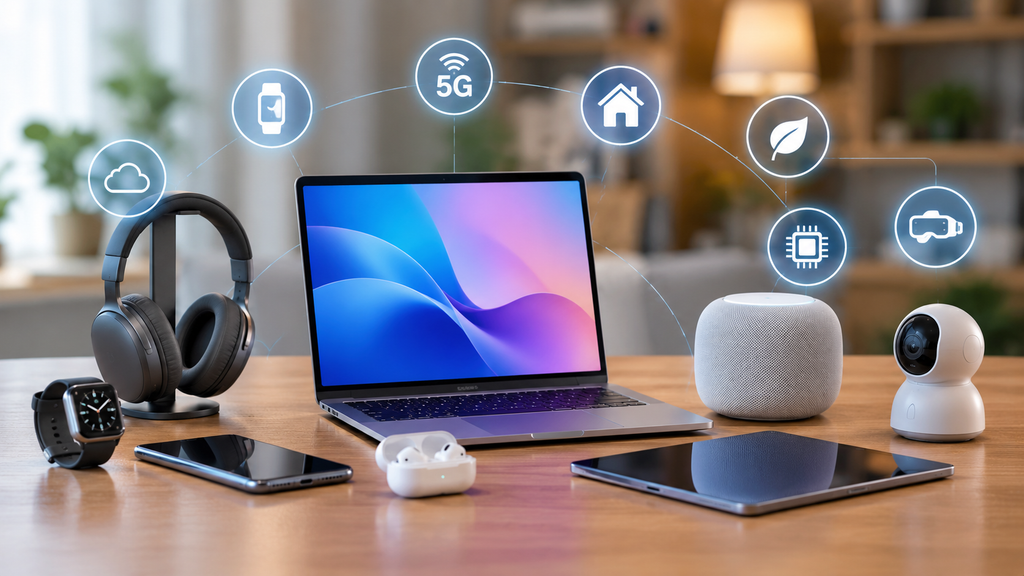
Imagine a world where your home anticipates your needs, your devices seamlessly communicate, and you interact with technology in ways once reserved for sci-fi novels. Picture a kitchen where your refrigerator suggests recipes based on its inventory, your oven preheats itself when you arrive home, and your coffee maker brews your favorite blend at the perfect time, all without you lifting a finger.
This is already happening as smart home technology advances rapidly, transforming our daily routines into effortless experiences. Futuristic devices like augmented reality glasses let you overlay digital information onto your physical environment. At the same time, smart wearables continuously monitor your health, providing real-time feedback on your wellness journey. Meanwhile, foldable smartphones are not just a novelty; they represent a radical rethinking of how we interact with our devices, offering expansive screens that fit comfortably in our pockets.
The consumer electronics industry is on the brink of transformation, driven by innovative technologies and consumers’ changing expectations.
Here are eight trends redefining our relationship with technology in the consumer electronics space.
1. AI as a Driving Force for everything
We are seeing a rise in AI-powered everything. While 2023 was a year of exploration for many brands as they cautiously experimented with AI, the future is set to usher in more substantial and widespread adoption. As AI technologies advance, they empower devices to learn from our behaviors, making every day experiences more intuitive and personalized.
Here are key examples of how AI is poised to shape the future of consumer electronics:
- The Magic of AI: AI-powered devices are capable of learning from user behaviors and automating tasks, creating seamless interactions that enhance daily life.
- Personalized Experiences with Segments of One: The vast amount of data AI can analyze paves the way for rapidly creating personalized user experiences in real-time. Connected devices, each with millions of data points, provide insights into habits, preferences, and usage patterns. This information will help with promotions, marketing, sales materials, and predicting market trends, leading to more hyper-personalized experiences.
- Voice-Activated Assistants: Smart assistants like Amazon’s Alexa and Google Assistant have become household staples, enabling users to control smart home devices, play music, and access information through simple voice commands.
Over 62% of smart speaker owners use their devices daily, underscoring their growing importance in our lives
- The Rise of the Enhanced Adviser: While virtual assistants like Siri and Alexa have been part of daily life for some time, we will see the mainstream integration of virtual adviser technology on a more sophisticated level. Connected to commerce sites, these intelligent advisers will act as low-cost support channels, engaging users with “human-like” interactions. Expect them to suggest complementary products and services, optimize promotions and basket value, and enhance user experiences.
- Revolutionizing Health Management with Comprehensive Health Tools: Wearables are evolving into holistic health management devices, providing features beyond fitness tracking that promote proactive well-being. AI-powered wearables like the Apple Watch, Oura Ring, and Fitbit transform personal health management by monitoring vital signs and providing real-time data. For example, the Apple Watch’s ECG feature allows users to take an electrocardiogram, potentially identifying heart issues before they escalate.
- Real-Time Insights for Rapid Time to Market: Real-time analysis of signals from social media and consumer sentiment will unveil trends as they emerge. By tapping into sources like wearable data, TikTok comments, and Amazon reviews, brands can quickly iterate products to better meet consumer needs. This nimble approach, linking insights to supply chains, is crucial as one-off collaborations and launches are gaining momentum, positioning brands to outpace the competition.
- Data-Driven Insights: Companies harness AI to analyze consumer data, allowing for personalized recommendations in retail and beyond. This enhances the user experience and drives sales by ensuring consumers feel understood and valued.
Proactive Maintenance with Predictive Insights: Beyond the excitement of new product launches, AI will empower consumer electronics and white goods manufacturers to leverage data from existing devices. AI-fueled predictive maintenance will enable proactive identification and prevention of faults, reaching out to consumers before a device breaks down. This not only boosts consumer confidence but also has the potential to prompt pricing revisions as the overall cost of quality decreases.
2. Stepping into New Realities with AR and VR
Imagine immersing yourself in a digital world where you can interact with your surroundings in ways you never thought possible. Augmented and virtual reality are moving beyond gaming as they redefine how we shop, learn, and engage with content, creating experiences that transform our daily interactions.
- Immersive Experiences: AR and VR technologies revolutionize gaming, retail, and education by providing fully immersive environments that enhance engagement.
- Gaming Industry Impact: VR headsets like the Meta Quest 2 transport gamers into realistic environments, making them feel like they are part of the game.
- Retail Revolution: AR applications are transforming the shopping experience, allowing consumers to visualize products in their homes before making a purchase. For instance, IKEA’s AR app lets users see how furniture would look in their living spaces.
57% of consumers who use AR in shopping report feeling more confident in their purchase decisions.
- Educational Advancements: In education, AR and VR enhance learning experiences through interactive simulations and virtual field trips that engage students in exciting new ways.
The AR and VR education market is projected to reach $200 billion by 2025, reflecting the growing integration of immersive technologies in classrooms.
3. Flex Your Screens with Foldable and Flexible Displays
The evolution of display technology is ushering in a new era of consumer electronics. Foldable and flexible displays offer unprecedented design possibilities, transforming how we use our devices in everyday life.
- Innovative Design: Foldable smartphones, like the Samsung Galaxy Z Fold 5, provide expansive screen real estate, allowing users to multitask seamlessly and enjoy media in ways traditional devices cannot match.
- Flexible Displays: Brands are introducing laptops and wearables with flexible displays that enhance usability and portability, catering to consumers’ desire for multifunctional devices.
- Creative Form Factors: Companies are exploring unique designs that reflect modern consumer needs, leading to more versatile products that fit seamlessly into our daily routines.
- Market Appeal: The demand for compact and innovative designs is particularly high in markets like Japan, where consumers appreciate multifunctionality and cutting-edge technology.
4. Smart Homes: Your House, Your Rules
The concept of a smart home is a reality that is becoming increasingly sophisticated. As more devices become interconnected, our homes transform into environments that anticipate our needs and streamline our daily routines.
- Integrated Systems: Smart home ecosystems connect various IOT devices, allowing seamless control of everything from lighting to security—all from the convenience of a single platform.
- Central Hubs: Smart speakers like Amazon Echo and Google Nest serve as control centers, enabling users to manage their devices effortlessly.
- Energy Efficiency: Devices like smart thermostats optimize energy use based on user behavior, resulting in significant cost savings.
Smart thermostats can reduce energy usage by up to 10-12%, making homes smarter and more sustainable
5. 5G: Speeding into the Future
The arrival of 5G is a catalyst for innovation across multiple sectors. With lightning-fast speeds and low latency, 5G is set to redefine how we connect with the world around us.
- Transformative Speed: 5G networks enable faster data transmission and seamless connectivity, enhancing user experiences across devices and applications.
- Smart Device Integration: 5G’s capacity to connect numerous devices simultaneously enhances the functionality of smart homes and IoT ecosystems.
- Industry Applications: In healthcare, telemedicine applications leverage 5G for remote consultations with high-quality video, transforming access to care.
The global telemedicine market is projected to grow to $155.1 billion by 2027, driven in part by advancements in connectivity
6. Going Green: The Rise of Sustainable Electronics
Sustainability is becoming an essential principle in consumer electronics. Brands increasingly focus on eco-friendly practices to respond to consumer demands for responsible consumption.
- Eco-Friendly Practices: Leading companies like Apple commit to carbon neutrality across their supply chains, significantly reducing their environmental impact.
Apple reported that 75% of its products were made from recycled materials in 2023, showcasing a significant move toward sustainability.
- Circular Economy: The shift toward creating easier repair and recycling devices is gaining momentum, promoting longevity and reducing electronic waste.
- Consumer Demand: A 2023 survey from Neilson indicates a strong market for sustainable electronics, with 73% of global consumers willing to change their habits to reduce environmental impact.
7. Talk to Me: The Rise of Voice-Activated Devices
Voice-activated technology is rapidly becoming a cornerstone of consumer electronics. It offers users a hands-free, intuitive way to interact with their devices, transforming how consumers access information and control their environments.
- Natural Interaction: Voice assistants like Siri, Alexa, and Google Assistant facilitate a seamless user experience, allowing quick and easy commands without manual input.
- Daily Convenience: From managing smart home devices to setting reminders and playing music, voice-activated devices enhance productivity and convenience.
Adoption Rates: The growing popularity of these devices reflects a shift in consumer behavior toward more accessible technology.
8. Data-Driven Connections for Personalization
Personalization has evolved from a luxury to a necessity. Brands in the consumer electronics sector are increasingly harnessing the power of data analytics to create tailored experiences that resonate with individual consumers.
- The Power of Data: Integrating advanced analytics and artificial intelligence allows brands to analyze vast amounts of consumer data to deliver personalized recommendations and experiences.
- Streaming Services: Platforms like Netflix and Spotify utilize sophisticated algorithms to analyze user viewing and listening habits, providing tailored content suggestions that enhance engagement.
Companies that excel at personalization can drive revenue increases of 10% to 30%.
- Smart Devices: Brands like Samsung and LG incorporate AI into their smart home products, allowing devices to learn user preferences over time. Smart thermostats, for example, adjust heating and cooling settings based on past behaviors, optimizing comfort while minimizing energy consumption.
- Targeted Marketing: Brands increasingly use data to segment their audiences and deliver targeted advertising that resonates with specific consumer groups. A survey by Epsilon found that 80% of consumers are more likely to make a purchase when brands offer personalized experiences.
- Navigating Privacy Concerns: As privacy concerns grow, it is essential for brands to navigate data collection responsibly. Implementing transparent data practices and ensuring user consent can help build trust and foster long-term relationships with consumers.
- Global Adoption: Countries like the United States and the UK are leading the charge in data-driven personalization, while Asian markets, particularly China and India, are rapidly adopting these practices.
The consumer electronics industry is poised for a transformative era driven by innovative technologies and evolving consumer expectations. To thrive in this dynamic landscape, brands must proactively embrace these trends, fostering innovation while prioritizing sustainability and personalization. The implications for brands are significant: those who invest in artificial intelligence and data analytics can enhance user experiences and build stronger customer loyalty. Embracing sustainable practices meets growing consumer demand for eco-friendly products and positions brands as leaders in corporate responsibility. As smart home ecosystems and 5G technology become more prevalent, brands have the opportunity to create interconnected experiences that resonate with tech-savvy consumers.
Conclusion
By understanding and adapting to these emerging trends, companies can enhance their product offerings and build lasting relationships with their customers. As we look to the future, the commitment to staying ahead of these trends will be crucial for success in the competitive world of consumer electronics.